


While many sectors can now be electrified, aviation will continue to rely on liquid fuels—and must drastically reduce its carbon footprint. The industry has already committed to rapid decarbonization, making it a central priority to meet climate objectives.
At the same time, accelerating this transition is also key to strengthening energy sovereignty by reducing reliance on imported fossil fuels and developing domestic sustainable fuel production.
Sustainable Aviation Fuels (SAF) provide a concrete and immediate solution. Sustainable Aviation Fuels (SAF) provide a concrete and immediate solution. Fully compatible with existing infrastructure, they can significantly reduce air transport emissions—starting today.
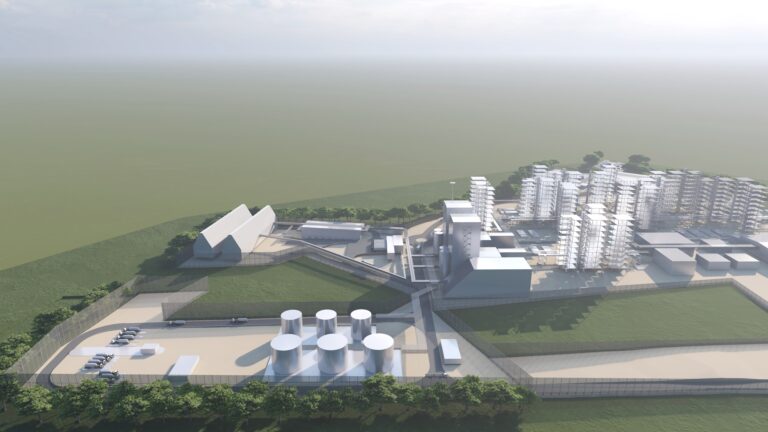
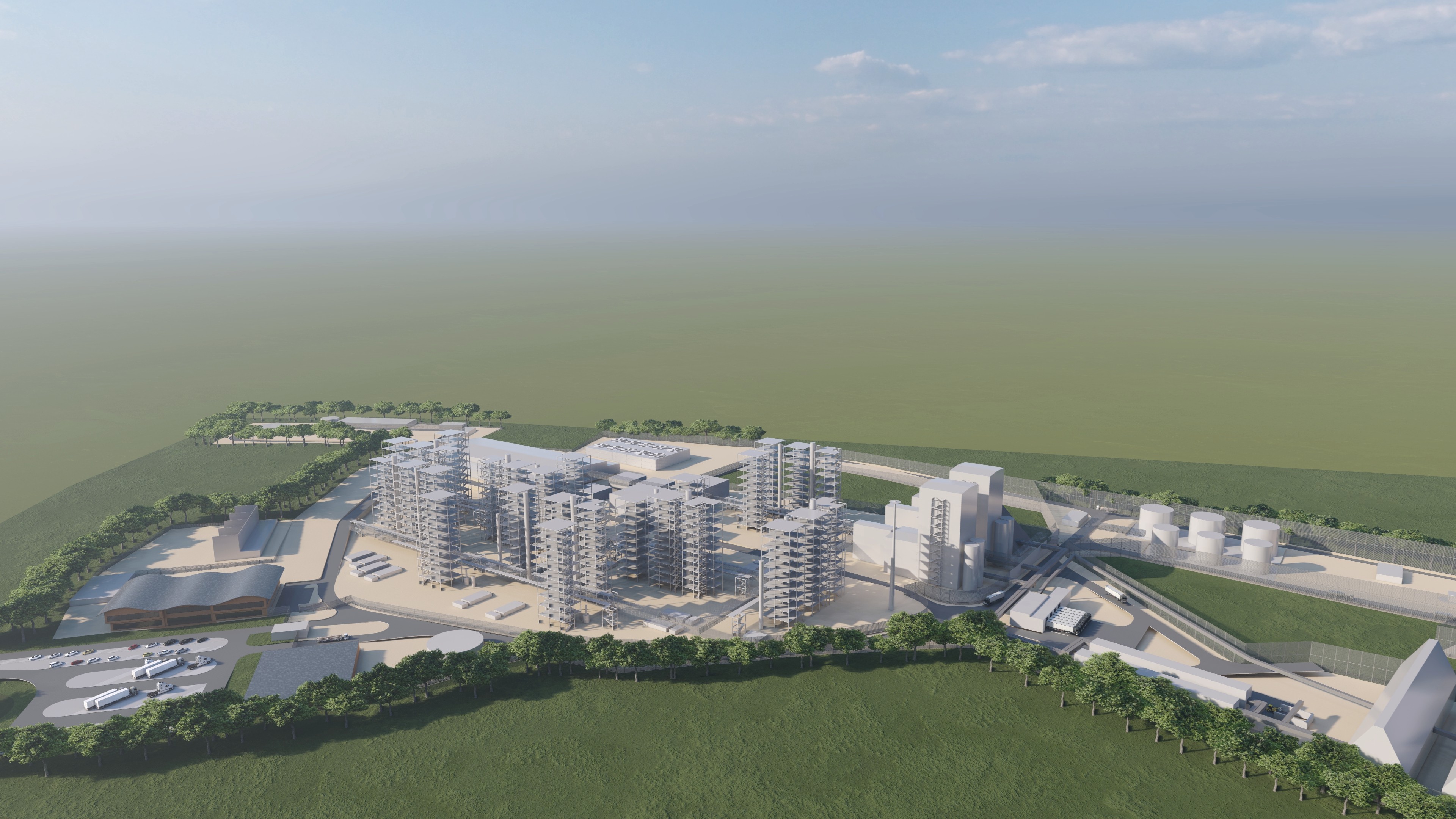
The Lusitania project aims to produce up to 200,000 tonnes per year of sustainable aviation fuels (SAF) at a 32-hectare industrial site in Figueira da Foz, Portugal.
Using renewable electricity and biogenic carbon sources, Lusitania will deliver renewable, low-carbon fuels designed to replace fossil-based kerosene.
At its core is Methanol-to-Jet (MtJ) technology, which converts e-/bio-methanol into SAF—enabling the large-scale decarbonization of aviation.
 0
0
Commercial operation date (COD)
1
Investment
 2
2
Direct jobs created
3
permanent indirect jobs during operation